

You see orchids linked to power and status because they’ve long signaled rarity, cultivated taste, and control over something that won’t thrive under stagnant, ordinary care; in ancient Greece and China, they carried meanings tied to fertility, virtue, nobility, and authority, and later Victorian collectors turned them into costly markers of refinement. Their unusual forms, long-lasting blooms, and symbolic colors still make them feel exclusive, and the reasons behind that symbolism become clearer just ahead.
- Key Takeaways
- Why Orchids Symbolize Power and Status
- How Orchids Became Luxury Flowers
- Why Rare Orchids Felt So Exclusive
- How Victorian Orchid Mania Increased Prestige
- What Orchid Colors Symbolize
- Why Purple Orchids Represent Royalty
- What White, Pink, and Yellow Orchids Mean
- Why Orchids Still Feel Luxurious Today
- When Orchids Make Meaningful Gifts
- Why Orchids Outshine Common Gift Flowers
- How to Choose a Meaningful Orchid
- Frequently Asked Questions
- Conclusion
Key Takeaways
- Orchids became status symbols because their rarity, exotic beauty, and intricate forms made them highly prized across many cultures.
- In ancient China and Greece, orchids were linked to nobility, virtue, fertility, and strength, giving them lasting prestige.
- During the Victorian era, wealthy collectors paid high prices for rare orchids, reinforcing their association with luxury and elite taste.
- Orchids are difficult to cultivate, so owning them suggests wealth, patience, knowledge, and refined care rather than simple consumption.
- Their long-lasting blooms and regal colors, especially purple and white, further connect orchids with elegance, authority, and social distinction.
Why Orchids Symbolize Power and Status

Prestige has long clung to orchids because rarity, beauty, and cultural meaning converged in a single flower; for centuries, they were difficult to cultivate, and that difficulty made them expensive, scarce, and closely tied to wealth, especially during the Victorian period, when orchidelirium turned their collection into an observational display of status rather than a stagnant hobby.
When you consider why orchids symbolize power, you find a rarefied history shaped by lineage, refinement, and desire; in ancient Greece, they suggested virility and fertility, linking them to inheritance and authority, while in China they represented moral virtue, nobility, and disciplined taste.
Their intricate forms and cultivated colors also reinforced prestige, and because affluent people exchanged orchids to express beauty, romance, and discernment, the flowers became lasting markers of status across cultures.
How Orchids Became Luxury Flowers
As orchids entered Victorian drawing rooms and conservatories, they became luxury flowers not by accident but through a convergence of rarity, cost, and cultivated desire; collectors pursued newly discovered species with an almost observational intensity, and the market answered with exorbitant prices that turned unusual blooms into visible proofs of wealth.
- In the Victorian era, orchid mania elevated exotic beauty into commerce.
- Their demanding care resisted stagnant household habits and ordinary cultivation.
- Because orchids symbolize virility, they carried older associations with power.
- High-society displays made each specimen a deliberate status symbol.
- Long-lasting blooms signaled affluence, refinement, and disciplined taste.
When you follow this progression, you see why luxury flowers acquired authority; orchids joined beauty, difficulty, and symbolism in one cultivated object, and that union made possession itself a declaration.
Why Rare Orchids Felt So Exclusive
Because rare orchids combined visual singularity with stubborn biological demands, they felt exclusive in a way ordinary luxury goods didn’t; you couldn’t separate their beauty from the skill, time, and controlled conditions required to keep them alive, and that difficulty made ownership appear cultivated rather than merely expensive.
When you encountered rare orchids, you weren’t just seeing decoration; you were witnessing scarcity shaped by exacting care, limited availability, and an observational understanding of fragile growth that wealth alone couldn’t guarantee.
Their intricate designs and vibrant colors distinguished them from stagnant luxury items, while older beliefs about their potency, drawn from Greek and Aztec traditions, gave them added elite status.
Because only affluent owners could secure and sustain them, orchids signaled social standing with unusual force, making the exclusive feel inherent, not artificially assigned.
How Victorian Orchid Mania Increased Prestige
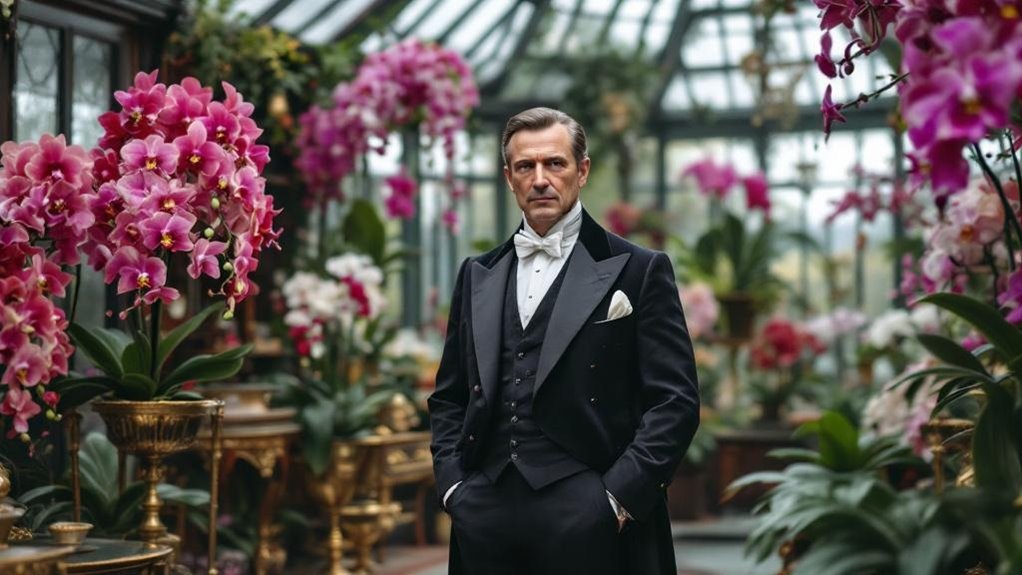
Obsession gave Victorian orchid culture its social force, turning private horticultural taste into a public contest of wealth, access, and cultivated mastery; during what contemporaries came to treat as orchidelirium, rare specimens weren’t valued only for their observational beauty, but for the expense, technical care, and global reach required to obtain and sustain them.
Orchidelirium transformed orchids from private pleasures into public proofs of wealth, reach, and cultivated control.
- You signaled rarity through difficult cultivation.
- You displayed luxury in lavish glasshouses.
- You converted exotic origins into distinction.
- You used orchids to elevate grand gatherings.
- You turned gifts into markers of social prestige.
In the Victorian era, if you owned orchids, you demonstrated more than taste; you showed resources, patience, and mastery over conditions that left stagnant collections behind.
That visible command made orchids reliable symbols of luxury and social prestige among elite observers.
What Orchid Colors Symbolize
As you consider what orchid colors symbolize, you can see how white suggests purity and cultivated elegance, pink and red signal affection, passion, and strength, and purple continues to mark royalty, power, and high status.
You’ll also notice that blue and green carry a more observational sense of rarity, calm, and distinction, while yellow and orange shift the meaning toward friendship, joy, appreciation, and social warmth without becoming stagnant or commonplace.
In this way, color doesn’t merely alter appearance; it shapes how you read an orchid’s message, and it explains why these flowers have long remained tied to refinement, exclusivity, and influence.
White, Pink, And Red
Color gives orchids much of their cultivated authority, shaping not only how they’re seen but also what they quietly communicate in ceremonial, romantic, and observational settings; white orchids suggest purity, elegance, and new beginnings, which is why you’ll often find them at weddings and formal occasions where respect matters as much as beauty.
- white orchids symbolize purity, refined beauty
- pink orchids embody grace and appreciation
- red orchids signify passion and strength
- luxury and sophistication elevate meaning
- emotional significance shapes high-value floral gifts
When you choose pink, you signal affection, femininity, and calm regard, avoiding anything stagnant or excessive;
when you choose red, you express desire, strength, and deep attachment, giving intimate occasions greater weight.
Together, these colors reinforce orchids as emblems of luxury and sophistication.
Purple, Blue, And Green
Power deepens when orchids turn purple, blue, or green, because these shades don’t merely extend the cultivated language of admiration, they refine it into something more hierarchical, observational, and enduring; purple orchids have long signaled royalty, authority, and respect, carrying a historical link to nobility that makes them especially suited to honoring major achievements, while blue orchids suggest calmness, rarity, and composed distinction, drawing attention precisely because they resist anything common or stagnant.
| Color | Image |
|---|---|
| Purple | Velvet halls |
| Blue | Still twilight |
| Green | Quiet gardens |
| Orchids | Curated rarity |
You read their symbolism through power and status: green orchids imply health, longevity, and harmony; together, these luxury items preserve sophistication, prestige, and balance.
Yellow And Orange Meanings
Where purple, blue, and green orchids frame status through rarity, composure, and longevity, yellow and orange shift the reading toward a more outward, relational form of meaning, one grounded in friendship, optimism, admiration, and visible energy.
- yellow orchids symbolize friendship
- They suggest joy, cultivated ties, and good fortune.
- In Chinese tradition, they carry deep cultural meanings.
- orange orchids convey energy, admiration, and creativity.
- Their aesthetic appeal reflects positivity and strength.
When you choose them, you signal an observational awareness that power needn’t appear stagnant or severe; yellow orchids become ideal gifts for affirming loyal bonds, while orange tones mark professional significance and personal momentum.
Together, they brighten arrangements, project warmth without excess, and translate status into visible connection through color, placement, and shared regard.
Why Purple Orchids Represent Royalty
Because purple orchids were rare to obtain and difficult to cultivate, they came to signify royalty, authority, and admiration; nobles and wealthy patrons valued them not only for their exotic beauty, but also for the status that rarity confers.
When you consider why purple orchids suggest power, you can trace that meaning to scarcity, ceremonial use, and the long tradition linking purple to dignity, respect, and elevated rank.
In ancient settings, you’d have seen purple orchids appear in celebrations that honored significant achievements among rulers and elites; that observational pattern reinforced their association with royalty.
During the Victorian era, their exclusivity became even more visible, because collectors pursued them as luxury objects, and their cultivated rarity prevented the symbol from becoming stagnant, preserving admiration around them for generations.
What White, Pink, and Yellow Orchids Mean

As you move beyond purple’s cultivated link to royalty, you find that white orchids carry purity, innocence, and elegance, which is why they remain a steady choice for weddings and formal occasions, where power often appears refined rather than stagnant.
You also see that pink orchids signal grace, femininity, and romantic love, making them an observational expression of affection at anniversaries and baby showers, where your gift can communicate feeling with precision.
When you consider yellow orchids, you recognize friendship, joy, warmth, and even good fortune in ancient Chinese culture; together, these rarer blooms show how color shapes meaning, and how orchids continue to suggest luxury, status, and intention across cultures.
White Orchid Symbolism
Color carries much of an orchid’s symbolic weight, and white orchids, in particular, represent purity, innocence, and elegance; for that reason, you’ll often see them in weddings and other ceremonies centered on new beginnings, where their restrained appearance supports an observational sense of calm rather than anything ornate or stagnant.
- White orchids symbolize cultivated purity
- Their elegance signals refined beauty
- They’re a common choice for vows
- Their cultural significance spans formal rituals
- They remain associated with luxury items
When you choose white blooms, you present beauty without excess, and you align yourself with a tradition that values restraint, clarity, and composure; in many settings, that symbolism quietly reinforces why orchids remain markers of taste, prestige, and social distinction.
Their pale form suggests innocence, yet it also conveys discipline and status.
Pink Orchid Meaning
Pink orchids carry a cultivated sense of grace, and their meaning turns from the restraint of white toward affection, admiration, and a distinctly feminine elegance; when you give them, you don’t signal innocence so much as warmth, tenderness, and romantic regard, which is why they appear so often at anniversaries, baby showers, and other milestones where support and appreciation matter as much as beauty.
You can read Pink Orchids: Grace as an observational statement that orchids symbolize grace, yet they also symbolize love, convey emotions, and mark your regard without becoming stagnant or excessive; admired in various cultures, they remain a popular choice for gifts because they evoke feelings of comfort, joy, and steady appreciation, especially when you want your gesture to reflect beauty, support, and cultivated personal esteem.
Yellow Orchid Significance
Sunlit yellow orchids shift the meaning of the flower toward friendship, joy, and optimism, so when you give them, you express appreciation in a way that feels open, generous, and socially affirming rather than intimate or ceremonial; in ancient Chinese culture, they were linked with good fortune and happiness, a connection that strengthens their observational association with cheerful occasions and positive human exchange.
- yellow orchids symbolize friendship
- They project joyful energy
- Their vibrant color resists stagnant moods
- You convey positive sentiments clearly
- They also suggest new beginnings
Unlike white or pink forms, you choose yellow orchids when you want cultivated warmth, enduring regard, and visible encouragement; they honor relationships, mark milestones, and place good fortune within a setting that feels steady, bright, and quietly restorative for others.
Why Orchids Still Feel Luxurious Today
Why do orchids still register as luxuries when so many flowers have become commonplace; the answer lies in how rarity, cultivated skill, and social memory continue to converge around them, creating an observational impression of value that never feels stagnant.
When you see orchids, you recognize a luxurious object shaped by rarity, patience, and cost, because proper cultivation demands controlled conditions, informed care, and resources not everyone can sustain.
Victorian collectors intensified that meaning, tying unusual specimens to power, status, and exclusive ownership, and that historical association still frames how you read them today.
Their layered beauty, intricate forms, and unusually broad color range also distinguish them from more familiar blooms, giving each arrangement a refined presence.
In elite interiors, formal events, and high-end decor, orchids still signal discernment, opulence, and cultivated taste with quiet consistency.
When Orchids Make Meaningful Gifts
When you give an orchid, you offer more than a cultivated luxury; its long-lasting blooms keep your gesture from turning stagnant, and they sustain meaning well beyond the moment of exchange.
You can place orchids with quiet precision at anniversaries, housewarmings, corporate gatherings, and other beginnings that call for an observational sense of status and personal taste, because they suit occasions where common flowers often feel insufficient.
You also shape the message through color, and that choice matters, since different orchid hues let you express affection, respect, or intention with a sophistication that strengthens the gift itself.
Lasting Symbolic Gestures
Significance settles around an orchid gift with unusual steadiness, because you’re not offering a gesture that fades into the background after a few days; you’re choosing a cultivated emblem of status, beauty, and intention, one whose Victorian associations with rarity and power still inform its meaning.
- orchids symbolize purity
- rich history
- delicate beauty and exotic
- timeless allure
- symbolism of orchids
You give more than flowers; you present lasting presence, observational care, and refinement that resists stagnant sentiment.
Long blooms keep your message visible, while color meanings let you shape it with precision, whether you imply strength, elegance, or restrained affection.
In romantic gestures, orchids carry quiet depth; for significant occasions, they hold authority without excess.
Their timeless allure, rooted in a rich history, makes common bouquets seem temporary.
You choose delicate beauty and exotic distinction, and the recipient reads intention clearly.
Occasions That Fit
Certain occasions ask for more than a pleasant arrangement, and orchids meet that standard with unusual precision; for anniversaries and weddings, they signal deep love and commitment without slipping into stagnant sentiment. Their cultivated beauty and long bloom life keep the gesture present well beyond the event itself.
You can also rely on orchids when formality matters; at corporate events and official gatherings, their luxurious appearance conveys polish, status, and admiration and respect without excess.
For housewarmings, retirements, or other new beginnings, they suggest good fortune and steady optimism, which makes them especially suitable when you want your gift to feel observational rather than generic.
Their long-lasting blooms also serve you well in personal celebrations or condolences, when words fail and intention must remain visible across specific moments, because orchids symbolize deep love and commitment clearly.
Choosing Meaningful Colors
Occasion determines whether an orchid fits, but color determines what it says, and that distinction is what turns a cultivated gift into an observational one rather than a stagnant gesture repeated by habit.
- White suggests purity and restraint.
- Red conveys passion and strength.
- Pink reflects affection with poise.
- Yellow shows that orchids symbolize friendship.
- Rare shades carry prestige.
When you’re choosing meaningful colors, you shape flower meaning with precision, because orchids are rich in symbolism and their vibrant and rare colors let you match the recipient’s character or the bond you share.
White suits reverence, red suits forceful devotion, pink suits tender regard, and yellow can deepen emotional connection where orchids symbolize friendship.
Their historical associations with luxury elevate every choice beyond common gifting, making your selection more deliberate and memorable indeed.
Why Orchids Outshine Common Gift Flowers

Although common gift flowers may satisfy a convention, orchids surpass them through a cultivated blend of rarity, form, and endurance; during the Victorian era, their ownership signaled wealth and sophistication, and that historical association with luxury still shapes how they’re perceived today.
When you give orchids, you present something observational rather than stagnant, because their unique structures command attention and resist the visual sameness of roses or carnations in ordinary arrangements. They also suggest deeper affection, since they imply commitment rather than routine courtesy, and their long-lasting blooms extend that message across days or weeks.
Because orchids appear in many colors and species, they carry personalized meanings without losing their prestige, which makes them distinguished gifts for occasions where you want refinement, intention, and visible thoughtfulness to remain evident well beyond the moment.
How to Choose a Meaningful Orchid
How you choose a meaningful orchid depends less on price or rarity than on correspondence, because the most persuasive gift aligns the plant’s form, color, and cultural resonance with the person receiving it and the occasion it marks.
- Match different orchid colors to character
- Use white for purity and beginnings
- Select Cattleya or Phalaenopsis for anniversaries
- Choose Dancing Lady for creative joy
- Let deep symbolic meanings guide gifts to convey
To choose the perfect orchid, read the recipient with observational care; orchids are often associated with cultivated refinement in ancient civilizations, yet your perfect choice shouldn’t feel stagnant or generic.
Red suggests passion, yellow friendship, and white renewal. For weddings, Phalaenopsis and Cattleya carry beauty and resilience; for birthdays, Dancing Lady offers joy and creativity.
Frequently Asked Questions
Do Orchids Symbolize Strength?
Yes, orchids symbolize strength. You can see it in how they thrive in tough environments, bloom with lasting beauty, and represent inner resilience, perseverance, and stable affection, especially in Chinese culture, where they embody moral character.
What Does an Orchid Represent Spiritually?
An orchid spiritually represents a universe of perfection, enlightenment, and inner strength for you. It reminds you to seek balance, welcome transformation, trust your resilience, and invite positive energy, calmness, and good fortune into life.
What Energy Do Orchids Bring?
Orchids bring you calming, refined, and uplifting energy. They help you invite emotional balance, deeper connection, and quiet confidence into your space. Their presence can inspire resilience, harmony, and a sense of graceful strength every day.
What Does the Bible Say About Orchids?
The Bible doesn’t mention orchids specifically, but you can connect them to verses celebrating flowers’ beauty and God’s care, like Matthew 6:28-30. You see orchids reflecting creation’s splendor, life’s brevity, and spiritual beauty over wealth.
Conclusion
When you choose orchids, you recognize why they’ve long carried power and status: rarity, cultivated beauty, and a history shaped by wealth, trade, and careful display; as the saying goes, fine feathers make fine birds, and orchids still project distinction without becoming stagnant or obvious. You also give something more observational than common flowers, because an orchid’s color, form, and restraint suggest intention, discernment, and lasting regard rather than passing sentiment or routine decoration alone.